Reviewed by: RBKsilicone Engineering Team
Last Updated: July 2026
Reading Time: 13 Minutes
FDA Silicone vs LFGB Silicone: Which Certification Do You Need?
If you manufacture or purchase food-contact silicone products, you’ve probably encountered two certification standards repeatedly: FDA and LFGB. Both are widely recognized around the world, yet they serve different markets and follow different testing requirements.
Many buyers mistakenly believe that FDA-approved silicone and LFGB-certified silicone are identical. While both are considered food-safe when properly manufactured, the certification process, testing methods, and acceptance criteria differ significantly.
Understanding these differences can help brands reduce certification costs, accelerate product development, and ensure compliance with the regulations of their target markets.
In this guide, we’ll explain how FDA and LFGB certifications differ, what products require them, and how to select the right standard for your silicone products.
Table of Contents
- What Is FDA Silicone?
- What Is LFGB Silicone?
- FDA vs LFGB Comparison
- Testing Requirements
- Which Certification Should You Choose?
- How RBKsilicone Supports Certification
- Frequently Asked Questions
What Is FDA Silicone?
FDA silicone refers to silicone materials that comply with the requirements of FDA 21 CFR 177.2600, the U.S. regulation governing rubber articles intended for repeated food contact.
FDA compliance focuses on ensuring that silicone materials do not release harmful substances into food during normal use. Manufacturers achieve compliance by using appropriate raw materials and verifying that migration limits remain within the permitted range.
Typical FDA Silicone Applications
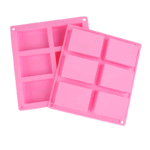
- Silicone baking molds
- Kitchen utensils
- Baby feeding accessories
- Coffee machine seals
- Food processing gaskets
- Reusable food containers
FDA-compliant silicone is widely accepted throughout the United States and many international markets, making it one of the most common certifications requested by global buyers.
What Is LFGB Silicone?
LFGB is Germany’s Food and Feed Code and represents one of the strictest food-contact safety standards in Europe. Silicone materials tested according to LFGB must meet more demanding migration and sensory requirements than many other food-contact regulations.
Unlike FDA testing, LFGB also evaluates whether the material affects the taste or odor of food. These additional requirements make LFGB certification particularly attractive for premium kitchenware and products sold in the European market.
Common LFGB Silicone Products
- Premium bakeware
- Baby tableware
- Cooking utensils
- Reusable food storage products
- High-end kitchen accessories
Many international brands choose LFGB-certified silicone because it demonstrates a higher level of food-contact safety and strengthens consumer confidence in European markets.
Common LFGB Silicone Products
- Premium bakeware
- Baby tableware
- Cooking utensils
- Reusable food storage products
- High-end kitchen accessories
Many international brands choose LFGB-certified silicone because it demonstrates a higher level of food-contact safety and strengthens consumer confidence in European markets.
FDA vs LFGB: What’s the Difference?
Although both FDA and LFGB certifications are intended to ensure food-contact safety, they are based on different regulations and testing procedures. The most appropriate certification depends on your target market, customer requirements, and product positioning.
| Comparison Item | FDA Silicone | LFGB Silicone |
|---|---|---|
| Primary Market | United States & Global | Germany & European Union |
| Regulation | FDA 21 CFR 177.2600 | German LFGB Standard |
| Purpose | Food Contact Safety | Food Contact Safety |
| Taste & Odor Testing | No | Yes |
| Migration Testing | Required | Required (More Strict) |
| Material Purity Requirement | High | Very High |
| Consumer Recognition | Excellent in North America | Excellent in Europe |
| Typical Cost | Lower | Higher |
Neither certification is universally “better.” Instead, each serves different regulatory environments and customer expectations. For products sold globally, many manufacturers choose to comply with both FDA and LFGB standards.
How Do FDA and LFGB Testing Requirements Differ?
The biggest distinction between FDA and LFGB certification lies in the testing methodology. While both evaluate whether silicone materials are safe for food contact, LFGB generally applies more comprehensive testing criteria.
FDA Testing Focus
- Overall migration limits
- Material composition compliance
- Extraction testing
- Food-contact safety verification
LFGB Testing Focus
- Overall migration limits
- Taste transfer evaluation
- Odor transfer evaluation
- Chemical migration analysis
- Food simulant testing
Because LFGB includes sensory testing in addition to chemical migration analysis, many European retailers and premium kitchenware brands consider it one of the highest standards for silicone food-contact products.
Why Do Premium Brands Prefer LFGB?
Consumers increasingly associate LFGB certification with premium product quality. For brands selling baking molds, baby products, reusable kitchen accessories, and other consumer goods in Europe, LFGB certification helps strengthen customer confidence and reduce compliance risks.
However, if your products are primarily sold in the United States, FDA compliance is often sufficient and can reduce certification costs while still meeting regulatory requirements.
Which Certification Should You Choose?
Before selecting a certification, consider where your products will be sold and what your customers expect. Meeting the correct regulatory standard from the beginning can reduce redesign costs and simplify market entry.
| If Your Main Market Is… | Recommended Certification |
|---|---|
| United States | FDA |
| Germany | LFGB |
| European Union | LFGB |
| Global Retail Brands | FDA + LFGB |
| Private Label Kitchenware | FDA + LFGB |
| OEM Manufacturing | Based on Customer Requirements |
If you’re unsure which certification your project requires, it’s best to discuss your target market with your silicone manufacturer before tooling begins. Selecting the correct material and certification at the design stage helps avoid unnecessary delays and additional testing costs.
How RBKsilicone Supports FDA & LFGB Certification
Choosing the correct certification is only part of developing a successful silicone product. Equally important is working with a manufacturer that understands international food-contact regulations and can recommend the right material before production begins.
At RBKsilicone, we assist customers from material selection through mass production, helping ensure that products are manufactured according to the certification requirements of their target markets.
Our Food-Grade Silicone Manufacturing Capabilities
- FDA-compliant silicone materials
- LFGB-compliant silicone materials
- Platinum-cured silicone compounds
- Compression molding
- Liquid Silicone Rubber (LSR) injection molding
- Silicone extrusion
- OEM & ODM manufacturing
- Custom colors, hardness, and packaging
Why Global Brands Choose RBKsilicone
| Capability | Benefit |
|---|---|
| Engineering Support | Material selection before tooling begins |
| Custom Manufacturing | OEM & ODM solutions for global brands |
| Quality Control | Inspection throughout the production process |
| Flexible Production | Prototype to mass production |
| Export Experience | Support for North America, Europe, and worldwide markets |
Whether you’re developing a premium kitchen utensil, reusable food container, baby feeding accessory, or another food-contact silicone product, our engineering team can help identify the certification pathway that best matches your business objectives.
Frequently Asked Questions
Is LFGB better than FDA certification?
Not necessarily. LFGB is generally considered more comprehensive because it includes additional sensory testing such as taste and odor evaluation. However, FDA certification is fully appropriate for many food-contact products sold in the United States. The best choice depends on your target market.
Can one silicone product comply with both FDA and LFGB?
Yes. Many premium silicone products are designed and tested to comply with both FDA and LFGB requirements, allowing manufacturers to sell the same product in North America and Europe.
Does FDA certification automatically satisfy European requirements?
No. FDA compliance does not automatically mean a product meets LFGB requirements. European customers may specifically request LFGB testing before approving a product.
Why is platinum-cured silicone commonly used for food-contact products?
Platinum-cured silicone offers higher purity, lower volatile residues, excellent durability, and superior long-term performance, making it the preferred choice for many food-grade and premium consumer products.
Can RBKsilicone provide certified silicone materials for OEM projects?
Yes. RBKsilicone supports OEM and ODM projects using silicone materials that can be manufactured to meet FDA, LFGB, and other customer-required standards, depending on the product application and destination market.
Related Articles
- What Is Food Grade Silicone?
- Food Grade Silicone vs Medical Grade Silicone
- How to Choose the Right Silicone Hardness
- How Silicone Products Are Manufactured
Need FDA or LFGB Certified Silicone Products?
Whether you’re launching a new kitchenware line or sourcing certified silicone components for international markets, RBKsilicone provides complete OEM & ODM manufacturing with professional engineering support and reliable quality control.